Cooling Tower Piping for Reliable Water Flow

Cooling water lines, valves and supports planned around your equipment layout, water flow and operating conditions.

The Piping That Moves Heat Away From Your Equipment

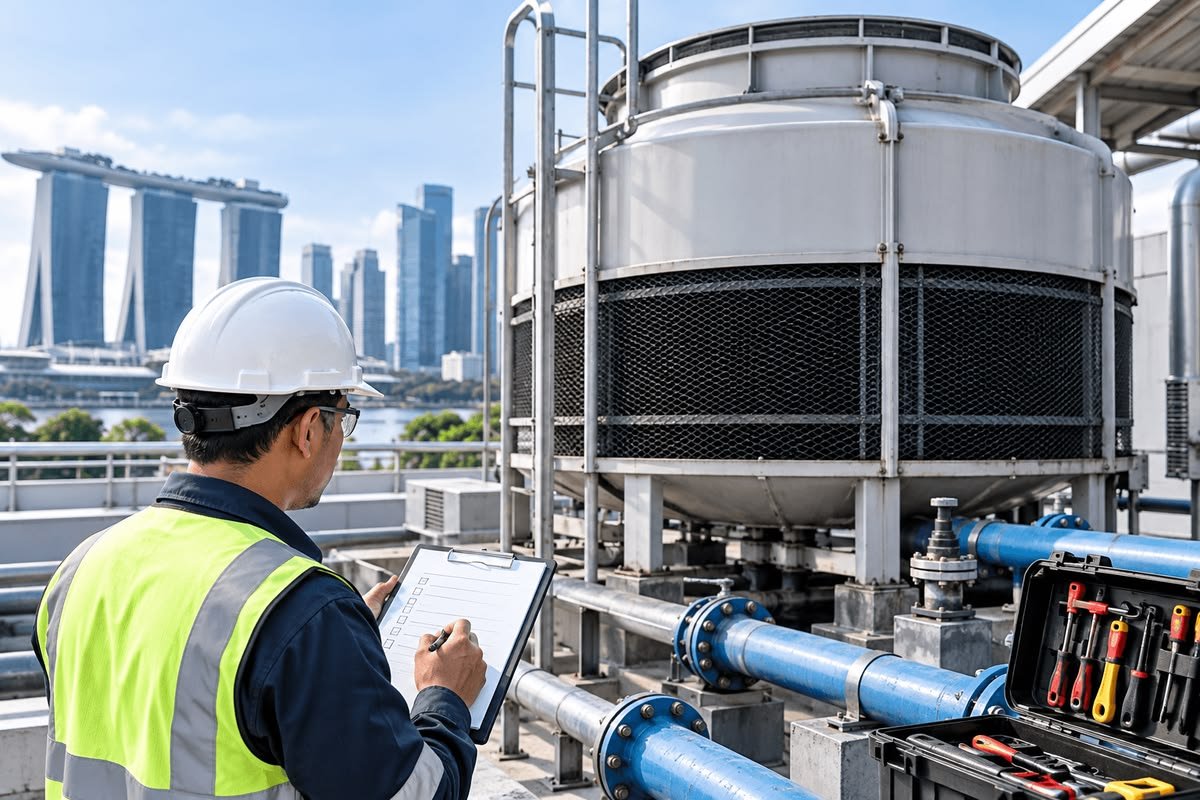
A cooling tower is only as reliable as the pipes connected to it. Water runs through these lines around the clock, often outdoors, with wet conditions, temperature changes and treatment chemicals working on the metal. Weak joints, undersized lines and rusting pipe lead to leaks, poor flow and shutdowns.
We design and install cooling tower piping that suits this duty. That covers the supply and return lines between the tower, pumps and chillers or heat exchangers, along with the valves, strainers and supports that go with them. We also repair and maintain existing lines.

What good cooling tower piping gives you

Components We Supply and Install

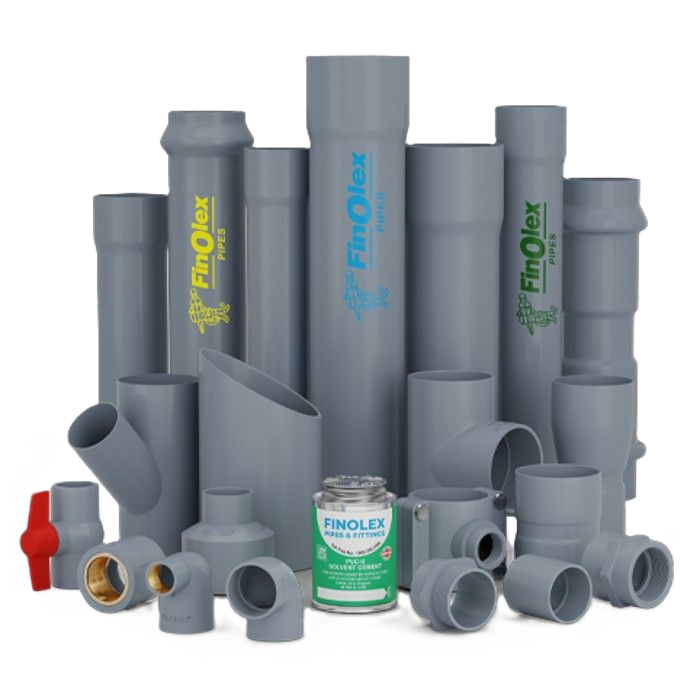
Pipes

What it does: Carry water between tower, pumps and equipment
Typical materials: Mild steel, galvanised iron, HDPE, FRP, PVC / CPVC, stainless steel
Typical specifications: Sized to flow rate; pressure class such as PN10 or PN16

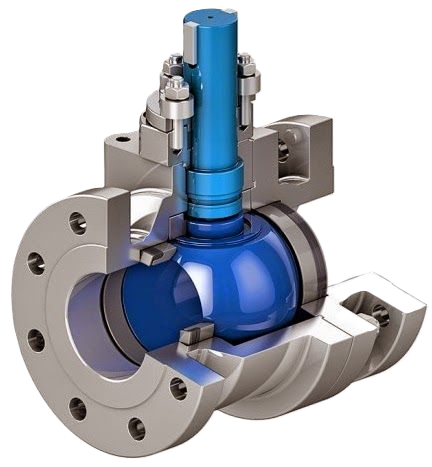
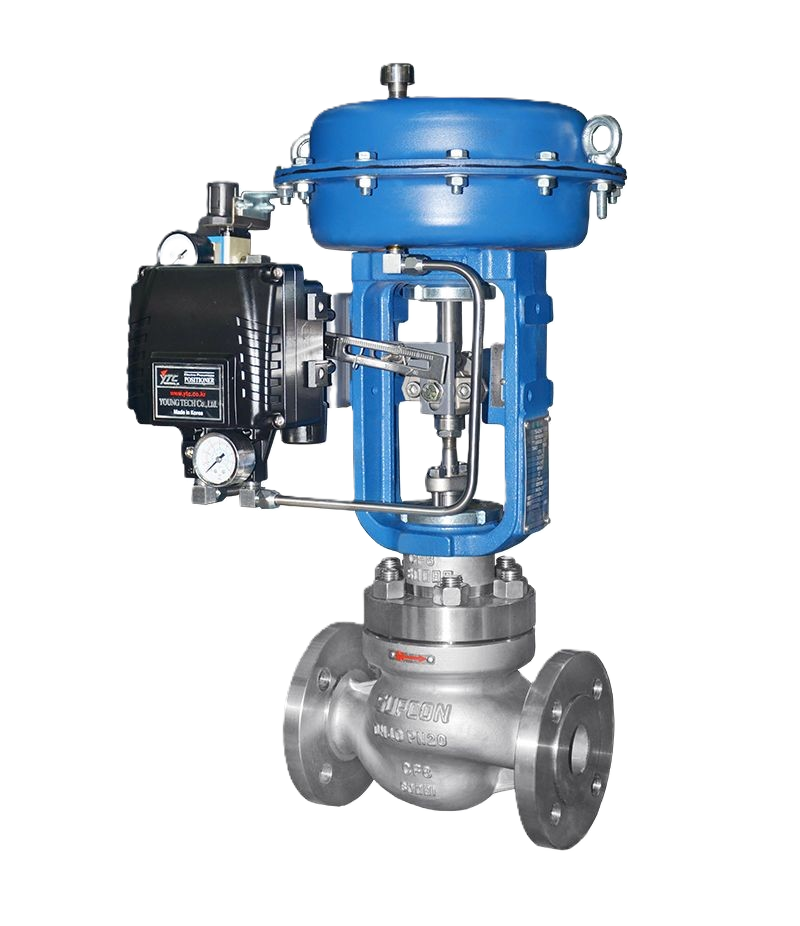
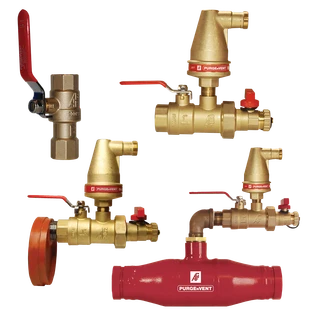
Valves

What it does: Isolate, control and balance water flow
Typical materials: Cast iron or ductile iron body, stainless steel or coated disc
Typical specifications: Butterfly or gate valves, flanged, PN10 / PN16

Non-return valves

What it does: Prevent reverse flow when pumps stop
Typical materials: Cast iron, ductile iron, stainless steel
Typical specifications: Swing or wafer type, flanged, PN10 / PN16

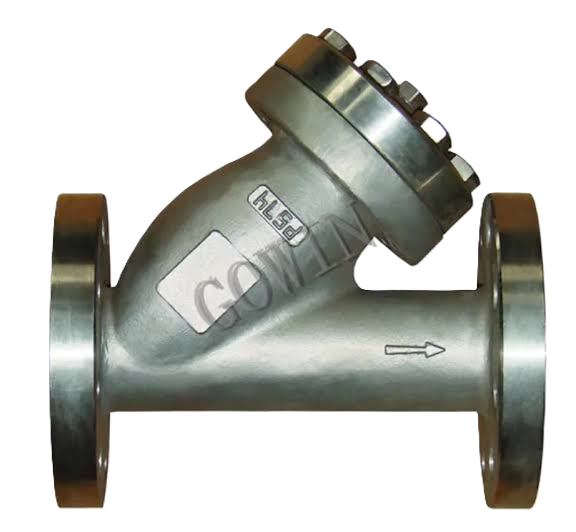
Strainers

What it does: Catch debris before it reaches pumps and heat exchangers
Typical materials: Cast iron, stainless steel mesh
Typical specifications: Y-type or basket type, flanged, mesh size as required

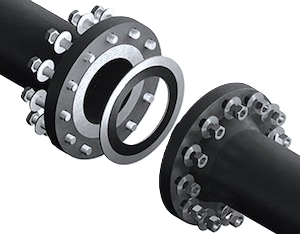
Flanges and gaskets

What it does: Join pipes, valves, pumps and other equipment securely
Typical materials: Mild steel or stainless steel flanges, rubber or EPDM gaskets
Typical specifications: Drilled to match valve, pump and equipment flanges

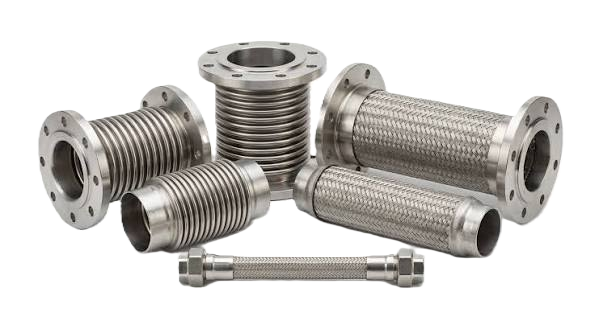
Expansion joints and flexible connectors

What it does: Absorb movement, vibration and minor misalignment in the piping system
Typical materials: Reinforced rubber, stainless steel bellows
Typical specifications: Sized and pressure-rated to match the piping system

Air vents and drain points

What it does: Remove trapped air and allow the piping system to be drained
Typical materials: Brass, cast iron, stainless steel
Typical specifications: Installed at suitable high and low points in the system

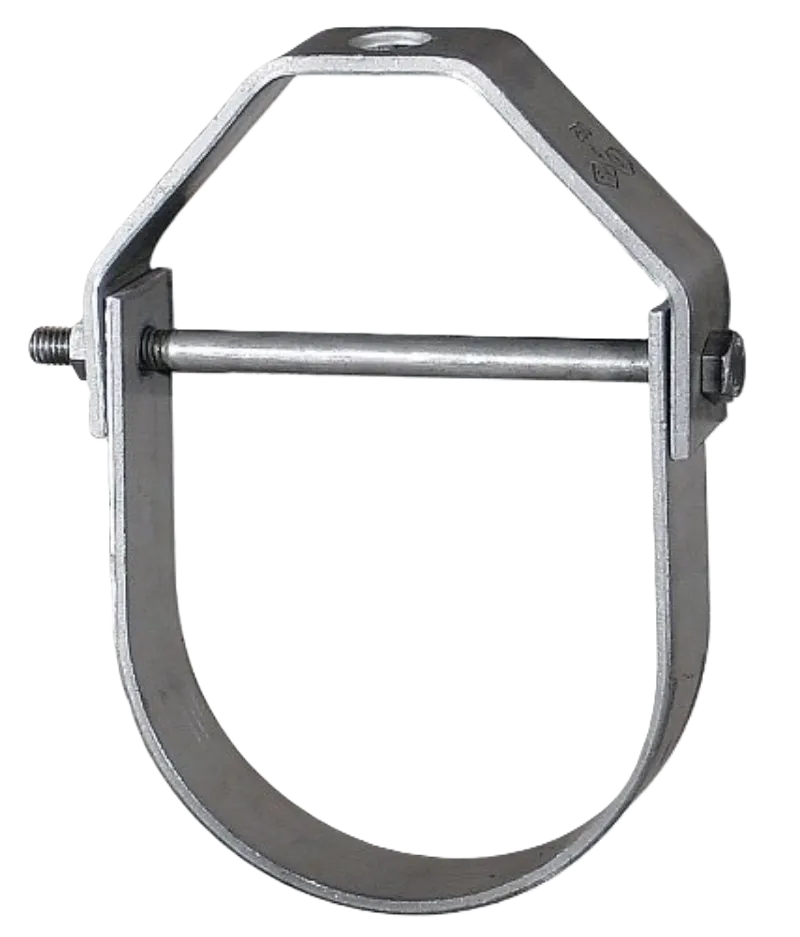
Supports and hangers

What it does: Support pipe weight, maintain alignment and limit movement
Typical materials: Galvanised or painted steel with anti-corrosion protection
Typical specifications: Support spacing selected according to pipe size, load and operating conditions

How We Install Cooling Tower Piping

Site walk-through
We inspect the tower, pump room and route and note levels, distances and tie-in points.
Flow and size check
We confirm the water flow and choose pipe sizes that keep velocity and pressure loss reasonable.
Material and component selection
We choose pipe, valves and fittings for your water quality, temperature and budget.
Fabrication and fitting
Pipes are cut, prepared and joined by welding, flanges or the method suited to the material.
Supports, vents and drains
Supports, air vents and drain points are fixed at the right places.
Flushing and pressure test
The line is flushed clean, tested for leaks and checked before it is put into service.

Industries We Serve With Cooling Tower Piping

ec48e2b6844d93cbb8e78186fe98d5bb
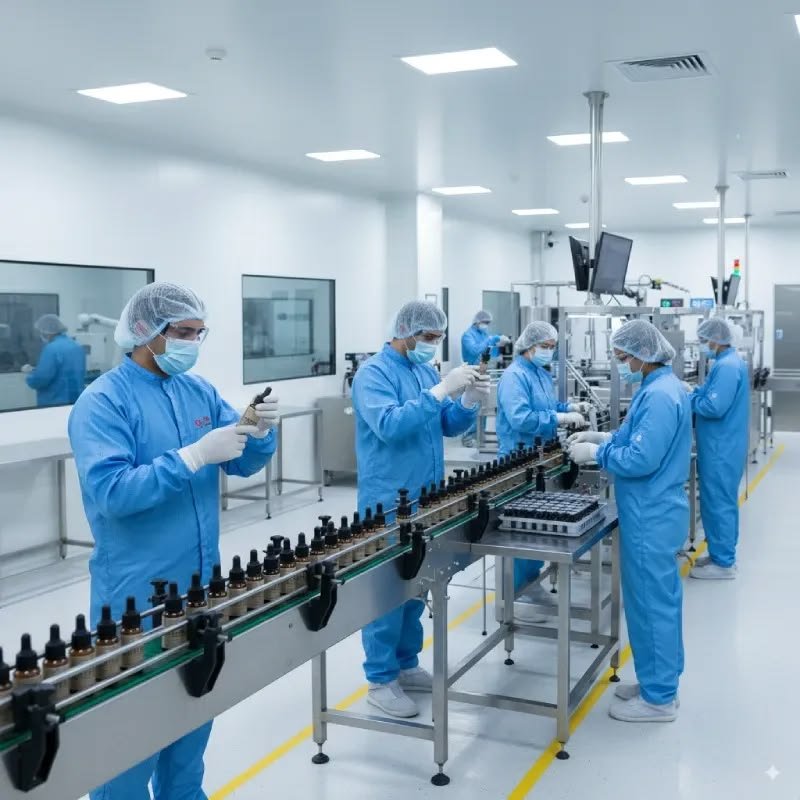
Pharmaceutical
Cooling water for process equipment, chillers and utilities.
5395828c46b0162cc196a19505280116
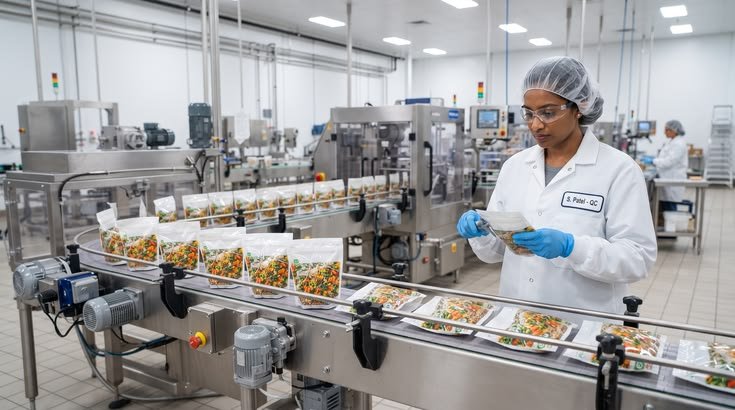
Chemical and Process Plants
Cooling circuits for reactors, condensers and heat exchangers.
7c728c28cfbbf6962446aa41423933bb
Power and Data Centres
Large-capacity cooling water lines for plant and server cooling.
d94d724de838031d7d0013c8502abb9e
Commercial and Industrial HVAC
c/Condenser water lines linking cooling towers to chillers.

Have a Problem With Your Cooling Tower Piping?

Share your tower capacity, pipe size and application details. We’ll assess the requirement and provide a suitable solution with a clear quotation.

Frequently Asked Questions

Can you replace only a damaged section of cooling tower piping?
Yes. A complete replacement may not be necessary if the rest of the system is in suitable condition. We can inspect the affected section and replace the required pipe, valve, fitting, flange or joint. If you are looking for cooling tower pipes in Mumbai, we can also assess the existing system and recommend suitable replacement materials.
Can you modify cooling tower pipes when new equipment is added?
Yes. If you add a chiller, heat exchanger or other equipment, we can assess the existing piping and plan the required extension or additional connections. The new cooling tower pipes in Mumbai can be routed according to the equipment location, water flow and existing plant layout.
Can you replace old cooling tower pipes without changing the complete system?
Yes. We can inspect the existing network and identify sections affected by corrosion, leakage or deterioration. Where practical, only the affected sections can be replaced while retaining suitable parts of the existing system. We can supply suitable cooling tower pipes in Mumbai based on the application.
Can you install cooling tower pipes for a new plant setup?
Yes. We can work from your plant layout and equipment requirements to plan the cooling water lines between the cooling tower, pumps, chillers and heat exchangers. We can also supply and install the required cooling tower pipes in Mumbai, along with valves, fittings and supports.
What details do you need before quoting cooling tower pipes?
We generally need the cooling tower capacity, required water flow, equipment locations, approximate piping route and plant layout. Information about water quality, operating temperature and pressure also helps us recommend suitable cooling tower pipes in Mumbai and related components.
Home
About Us
Book An Enquiry
Call Us
WhatsApp
Scroll to Top